Finals week brings a noticeable shift across campus. Schedules tighten, study sessions run longer, and students move through the end of the semester with a mix of focus, exhaustion, and anticipation. While the workload increases, so does the awareness that summer break is close. Hallways that are usually filled with casual movement begin to feel more directed, with students carrying laptops, notebooks, and coffee as they move between study spaces.
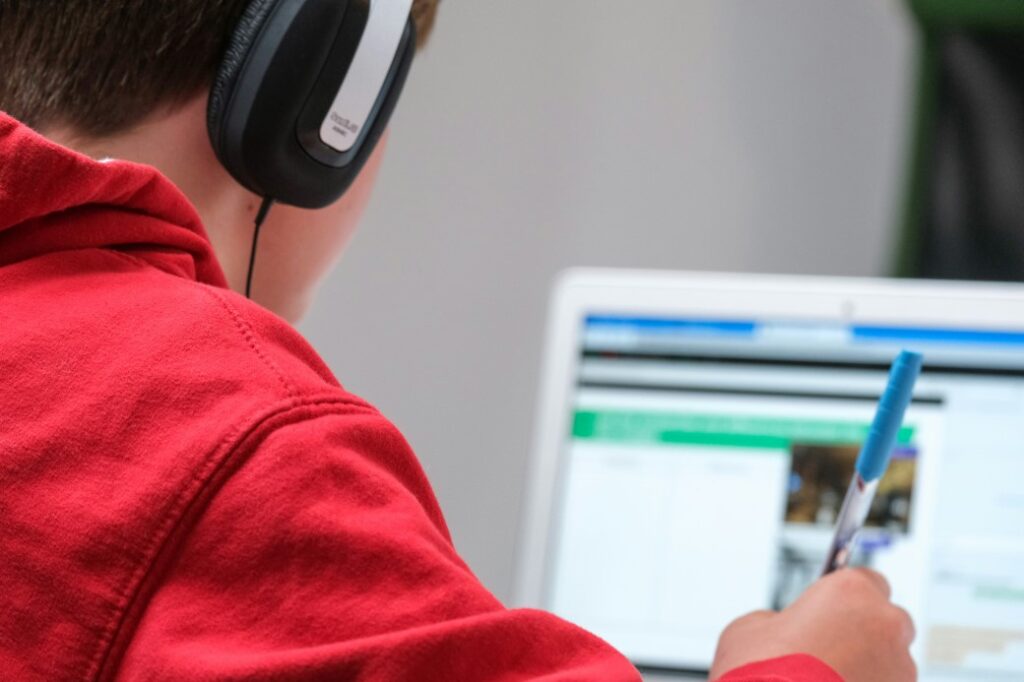
In the library and across quiet corners of campus, groups form around tables while others isolate themselves with headphones and notes. The atmosphere becomes less social and more task-oriented, shaped by deadlines and final exams rather than the usual rhythm of the semester.
For sophomore Ryan Freckleton, studying for finals is straightforward and routine-based.
“I usually just go over the material again, sleep, eat, and study,” he said.
He prefers to study alone and typically begins preparing about two weeks before exams begin, relying more on repetition than structured study methods or group review sessions. His strategy is built on familiarity rather than variation.
“I just keep reviewing everything,” he said. “Reading it over helps me remember it.”
When asked what part of finals week stands out most, he kept his response brief.
“The long tests,” he said.
Even when discussing stress, he did not describe it as something he tries to manage in a detailed way.
“You just deal with it,” he said. “That’s it.”
While some students approach finals with a simple routine, others describe the experience as mentally draining due to the volume of material and the pressure of multiple exams within a short period of time.
Junior Arlenis Rosato said her preparation involves going back through course materials and rewriting information in a way that helps her retain it.
“I just go through everything on Blackboard and take notes on it,” she said. “Writing it down helps me memorize it better.”
She explained that studying for multiple classes at once often becomes repetitive and tiring, especially when trying to retain large amounts of information across different subjects.
“It just feels so boring,” she said. “You don’t really want to get up and go take the test because it’s a lot.”
Rosato also pointed out one of the frustrations many students share during finals week: the unpredictability of exams.
“You can study everything and then the test doesn’t even focus on what you spent the most time on,” she said.
That uncertainty, she added, can make preparation feel less effective even when students put in consistent effort.
For freshman Joyce Oliva, the way she prepares depends heavily on the type of assignment. Exams require earlier preparation, while written work often follows a different pattern. “If it’s an exam I try to start a week or two before,” she said. “If it’s a paper I usually end up doing it last minute.”
She described her workflow as inconsistent but intentional, shaped by how she responds to pressure and deadlines.
“Sometimes I work better under pressure,” she said.
When stress builds, Oliva said she takes breaks from studying rather than pushing through continuously. Those pauses are necessary for maintaining focus during intense academic periods.
“I play music or just do something else,” she said. “It helps me clear my head because school can get overwhelming.”
Across campus, those different approaches exist side by side. Some students begin preparing weeks in advance, others rely on repetition and last-minute focus, and some balance both depending on the class. Study spaces reflect that variety, with quiet floors of the library dedicated to individual work while group tables and open areas support collaborative review sessions.
During this period, academic support resources also see increased use. Mercy University offers tutoring services throughout the semester, and students often turn to them during finals week when coursework becomes more demanding. These services provide additional help for reviewing material, clarifying concepts, and preparing for exams across different subjects. Still, even with support systems in place, finals week carries a shared atmosphere across campus. It is a period defined not only by studying and testing, but by endurance. Students move through long hours of preparation while managing fatigue, stress, and the pressure to finish the semester strong.
Whether working alone in a quiet corner, studying with peers, or taking breaks between sessions, students experience the same underlying reality: finals week compresses the entire semester into a final stretch of focus and effort.
And when it ends, the shift is immediate. The tension lifts, schedules open, and the campus transitions just as quickly into summer break as it once shifted into finals preparation.