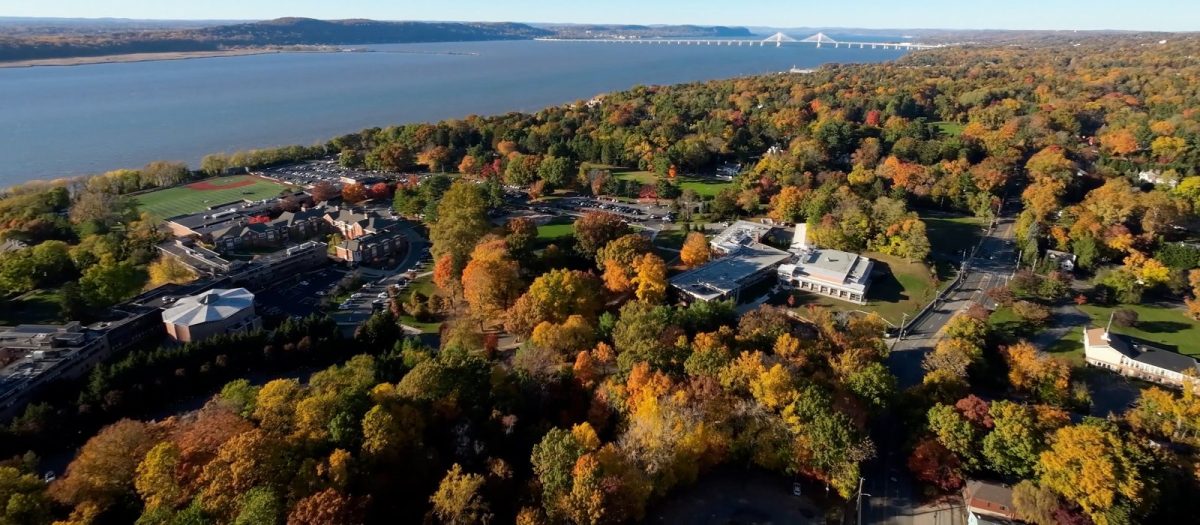
In the evening, Mercy University’s campus grows noticeably quiet. Once classes end, the walkways become calm, the buildings glow softly under the lamps, and the entire area takes on an almost unsettling stillness. For many students especially those who dorm this silence raises important questions about what campus safety truly means.
Stats on Campus saftey wrote by Rob Gabriele reported Safehome “campus crimes increased 13% between 2022 and 2023, totaling 22,212 incidents across 635 institutions. Property crimes like motor vehicle theft and burglary were most common, making up 37 percent and 19 percent of all on-campus crime, respectively. Unfortunately, though, nearly one in five crimes on campuses nationwide were rapes.”
To better understand the experience of being on campus, Daniel Rivera a junior business administration student, shared his perspective near the library, where the paths grow particularly empty late in the day.
“I feel safe most of the time,” Daniel said as he set his backpack beside him on a bench. “But once it’s past eight, the library gets really deserted.” He added that many students keep the Mavericks Safe app open as a precaution. The ability to share their location or quickly request help provides a sense of reassurance during late-night walks across campus.
Daniel explained that the app’s features play a significant role in that comfort. “I’ve tested it out before,” he said. “It alerts security right away. Plus, the emergency alert system and the blue-light phones around campus make a big difference.”
Even so, Daniel believes there is room for improvement. Better lighting and more frequent patrols in certain parking lots, he noted, could further strengthen the sense of security. “It’s not that Mercy doesn’t care,” he said. “It’s just that when classes finish late, it feels like there should be a few more eyes watching over students.”
Testing some of the safety tools firsthand highlights how responsive the system can be. A test alert sent through the Mavericks Safe app triggers an immediate acknowledgment from Campus Safety, demonstrating that personnel are actively monitoring student needs. Emergency contact signs and reminders to report suspicious behavior are posted throughout the campus, reinforcing the emphasis on awareness and prevention. The department’s mission is to maintain a secure, supportive environment that encourages learning and personal growth. Staff members encourage students to use the safety resources provided and to quickly report anything unusual so concerns can be addressed promptly.
Later that night, patrol vehicles circled through the quiet, dimly lit parking lots, their presence offering a reassuring sign that students are not alone, even in the campus’s darkest corners. The evening’s reflections made one thing clear: feeling safe is not only about locks, cameras, or lights. It also depends on alertness, mutual support, and students taking advantage of the tools available to them.
At Mercy University, the resources for safety are firmly in place; the responsibility lies in using them effectively and watching out for one another.