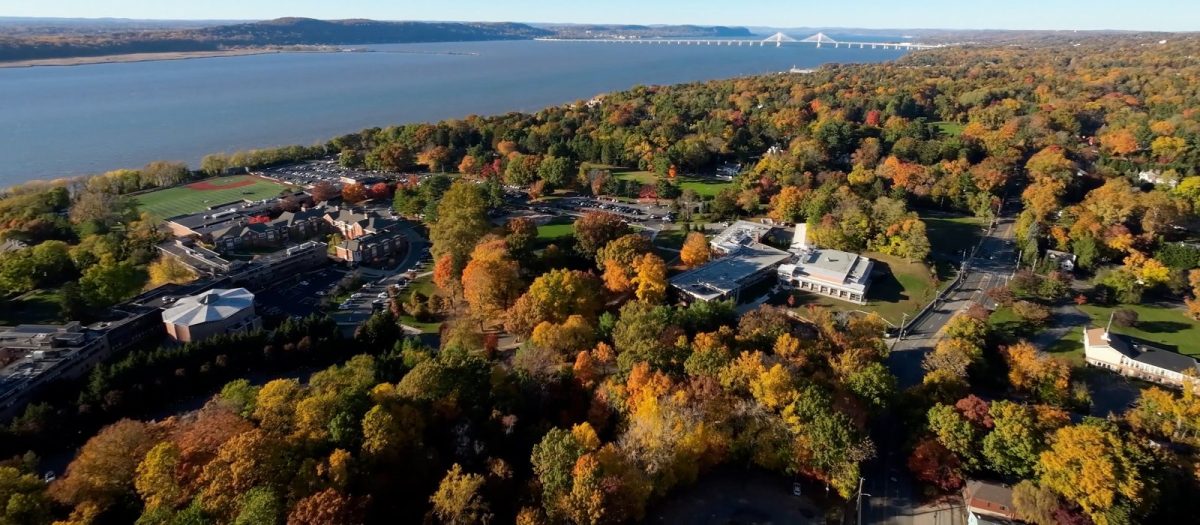
Meeting the increasing need for resources to serve its students presents a new challenge for Mercy University, which is renowned for its strong academic programs and close knit campus community.
Students like Chris Sanchez, a junior studying in teaching, say that as the university grows, it becomes more obvious that additional resources are required to guarantee that students may succeed both academically and personally. Speaking from the busy campus library, Sanchez declared, “I love Mercy University. The lecturers are amazing, and it’s a terrific environment to learn, but sometimes it feels like we’re limited by the resources provided. I want to get as much real world experience as I can as an education student, but we don’t always have the resources to do so.”
In Pew Research In 2019-20, the most recent year with available data, colleges and universities conferred 85,057 bachelor’s degrees in education, about 4 percent of the more than 2 million total degrees issued that year. That was down 19 percent from 2000-01, when colleges and universities issued more than 105,000 bachelor’s degrees in education, or roughly 8 percent of all undergraduate degrees.”
Also recently the government said they wanted to get rid of the Department of Education and that the state and locals should be responsible and should not be a federal issue.
He stated that having access to modern technologies and educational resources is one of the most urgent. Many students depend on the library for computers, research papers, and textbooks, yet some of these resources are out of date or scarce.
“I require access to up to date instructional materials and software for my classes. I have to share resources with several pupils at times, which slows down my studying,” Sanchez said.
Support for mental health is another area of interest. The number of students requesting counseling and wellness services has increased over the past few years, and the institution has made a concerted effort to satisfy this need. However, Sanchez stated that in order to shorten wait times and offer reliable assistance, additional counselors and wellness initiatives are required.
He stated, “College is stressful, especially in a major like education where you’re constantly learning and observing in classrooms.” “It would be very beneficial to have more counselors and workshops on time management or stress management.”
Sanchez also emphasized the need for greater possibilities for experiential learning. Mercy education students must perform fieldwork and internships, but because there aren’t many ties with nearby schools, it can occasionally be challenging to secure positions.
He remarked, “Learning about teaching in a classroom is one thing, but you really grow when you’re in a real classroom.”
“We would be able to acquire the experience we need to succeed after graduation if we had more partnerships with local schools and community organizations.” Sanchez is still optimistic that the university will keep changing to meet the requirements of its students.
He remarked, “I think Mercy has an amazing foundation. This campus could be an even better place for students to grow academically and personally with a few improvements, especially in technology, mental health, and hands on learning.”